- sales@hexigon.in
- +91 9824091132
- +91 8200923790
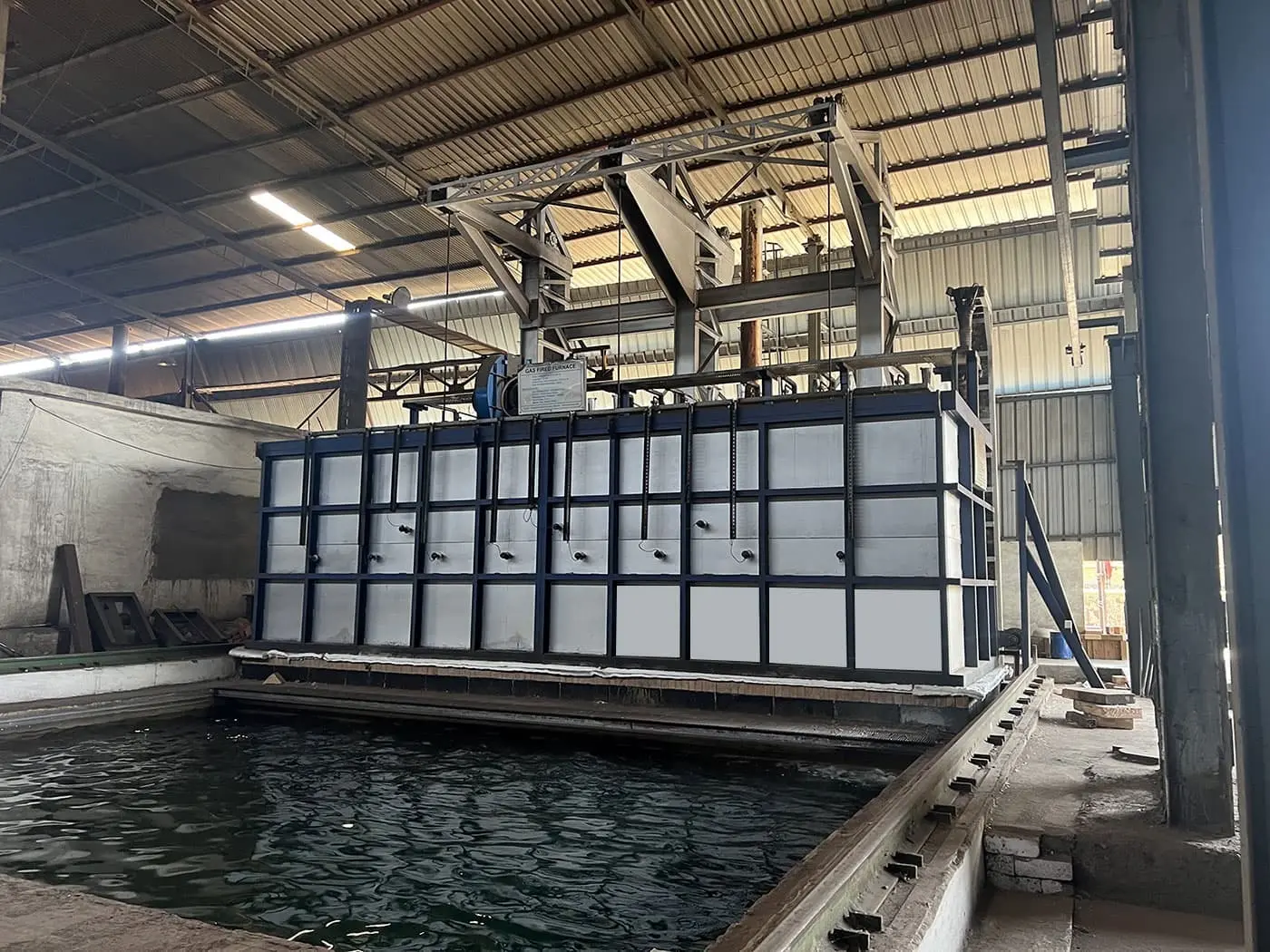
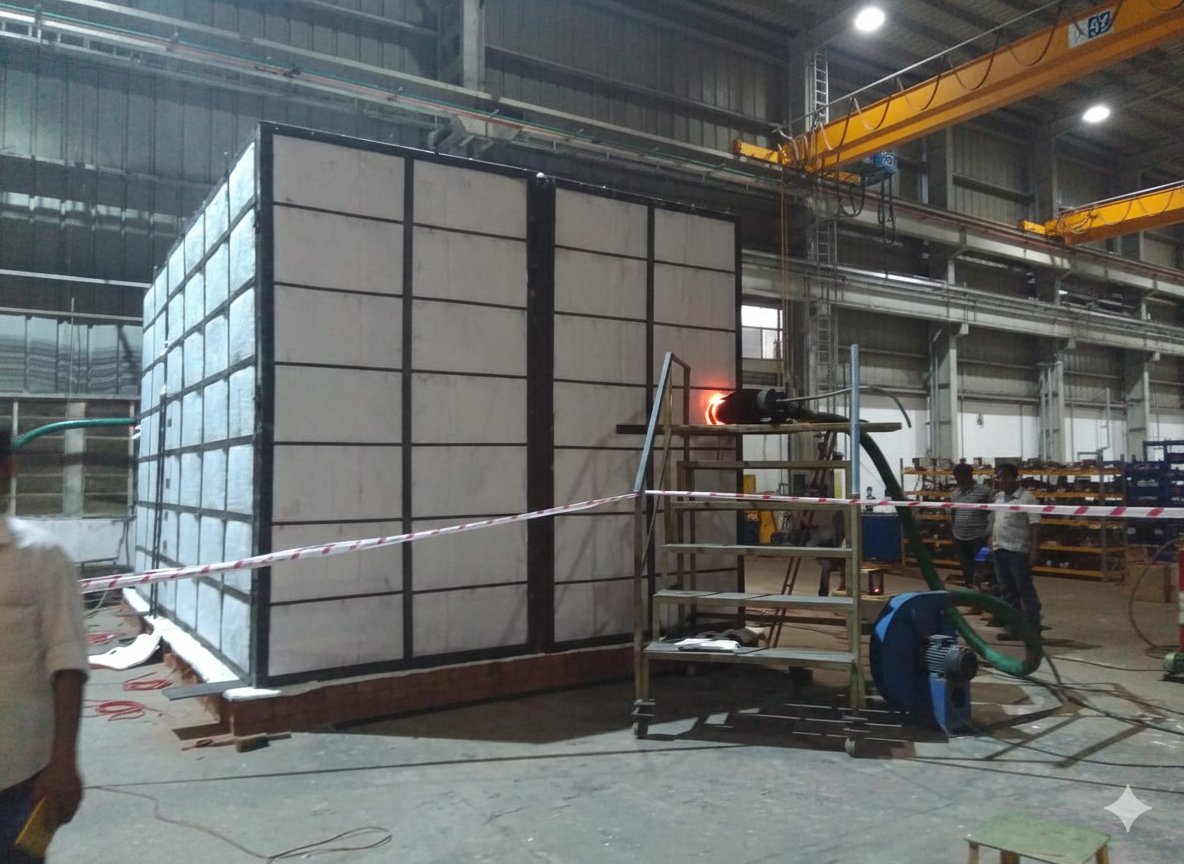
Preheating and Normalizing are essential heat-treatment processes used to improve weld quality, enhance material strength, and ensure structural reliability during fabrication and repair.
Preheating minimizes the risk of weld cracking by reducing thermal shock and controlling the cooling rate, while Normalizing refines the grain structure to restore uniformity, toughness, and mechanical performance.
These services are widely used across piping, pressure vessels, structural steel, fabrication yards, and heavy-engineering applications due to their effectiveness, consistency, and suitability for a wide range of carbon and low-alloy steels.
Our Preheating & Normalizing Services are carried out in full compliance with internationally recognized welding, fabrication, and heat-treatment standards, ensuring safety, consistency, and optimal metallurgical performance:
ASME Section VIII – Requirements for heat treatment of pressure-retaining components
ASME B31.1 / B31.3 – Preheating guidelines for process piping and power piping
AWS D1.1 / D1.5 – Structural welding codes for carbon & low-alloy steels
API 650 / 653 – Preheating and weld quality requirements for storage tanks
ISO 17663 – Heat-treatment process requirements for metallic materials
ISO 13577 – Safety standards for industrial furnaces and heat-processing systems
Customer-specific welding procedures (WPS/PQR) – Tailored preheat and normalization parameters based on material and project needs
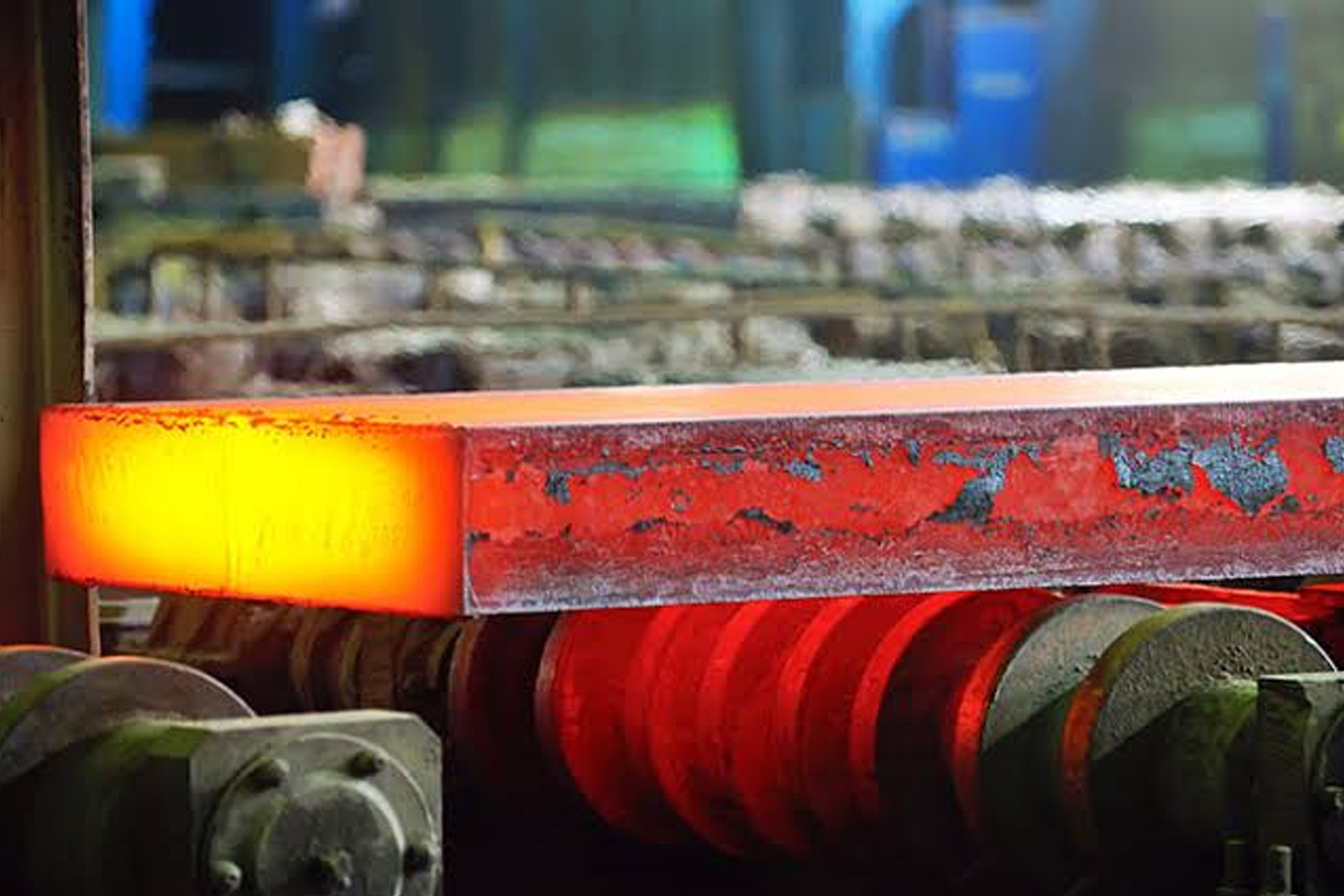
Unlock stronger welds, safer structures, and peak industrial performance with advanced PWHT and thermal engineering solutions.
Preheating & Normalizing Services offer essential thermal control for improving weld quality, material strength, and long-term performance.
Controlled preheating minimizes temperature gradients, preventing hydrogen-induced cracking and reducing residual stresses during welding.
Normalizing refines the grain structure, enhances uniformity, and restores the material’s mechanical properties after welding or fabrication.
Both processes help achieve better toughness, ductility, and resistance to fatigue — essential for high-stress industrial applications.
Preheating prevents rapid cooling, allowing stable microstructure formation and minimizing the risk of brittle failure.
Ideal for thick-walled components, pressure parts, castings, forgings, and low-alloy steels that require temperature-controlled welding.