- sales@hexigon.in
- +91 9824091132
- +91 8200923790
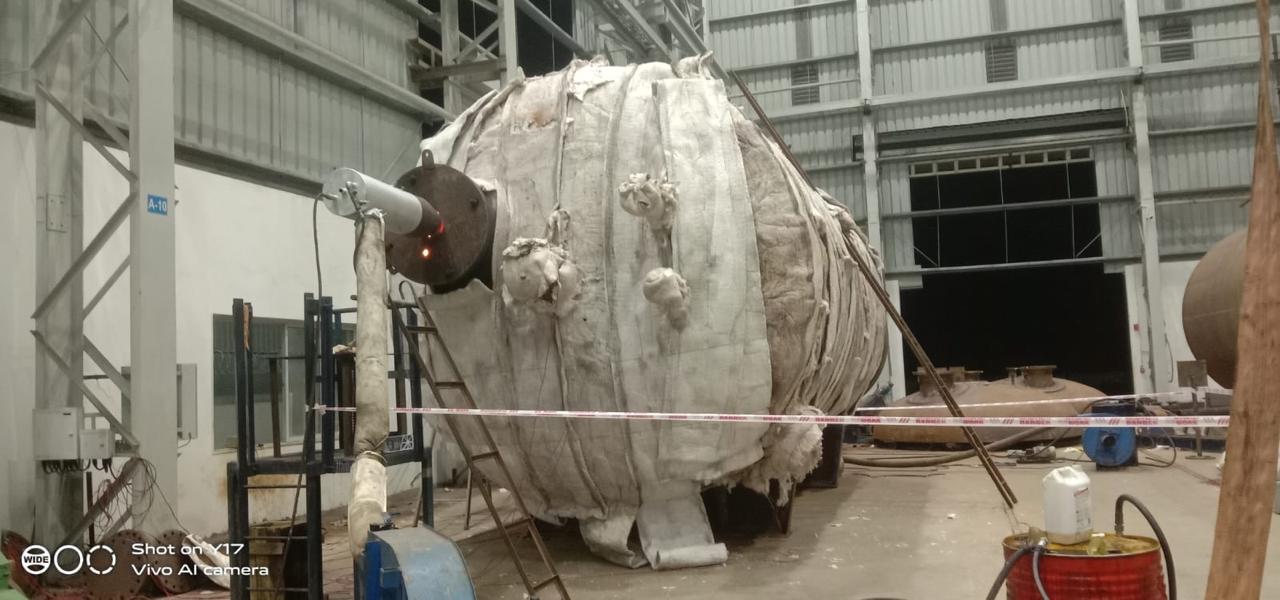
Refractory Dry-Out is a vital, controlled heating process carried out after installing new refractory linings in furnaces, boilers, heaters, kilns, and incinerators. The primary goal is to safely remove absorbed moisture, prevent explosive spalling, and ensure the refractory material reaches its designed mechanical strength and long-term thermal stability.
At Hexigon Engineering, our Dry-Out programs use carefully engineered temperature-ramp cycles executed through gas/oil-fired burners, electrical heating systems, or automated heating consoles. This controlled approach prevents premature cracking, improves refractory durability, and ensures the equipment is fully conditioned for safe, continuous high-temperature operation.
Our Refractory Dry-Out procedures are designed in accordance with globally accepted safety, quality, and refractory-installation standards, including:
API 936 – Refractory Installation Quality Control Guidelines
ASTM C113 – Standard Practice for Refractory Dry-Out
ASTM C71 – Standard Terminology of Refractories
OEM-Specific Furnace/Heater Refractory Dry-Out Schedules
Customer-based heat-up specifications & QA documentation
Congue accumsan vulputate nulla sed porta adipiscing est erat habitasse fringilla maecenas purus sapien pretium parturient tellus dis interdum nostra amet
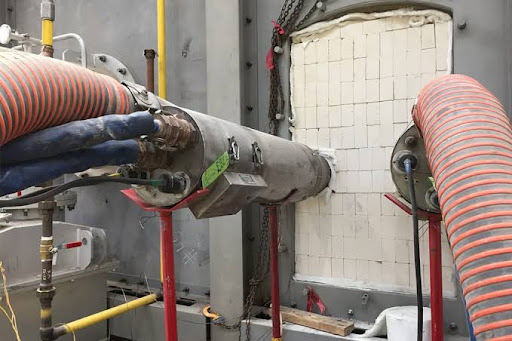
Our Refractory Dry-Out operations utilize high-performance heating equipment and monitoring systems designed to deliver precise, controlled, and uniform temperature profiles.
We use calibrated burners, electrical heating systems, and automated control consoles to ensure precise, uniform temperature-ramp cycles throughout the Dry-Out process.
All Dry-Out operations follow strict safety protocols to prevent spalling, cracking, or thermal shock, ensuring the refractory lining remains structurally sound.
Our processes align with globally accepted standards and OEM specifications, guaranteeing reliable and audit-ready Dry-Out documentation for your equipment.
Our specialists have extensive field experience across boilers, heaters, kilns, furnaces, and other refractory-lined systems, ensuring accurate execution even in complex environments.